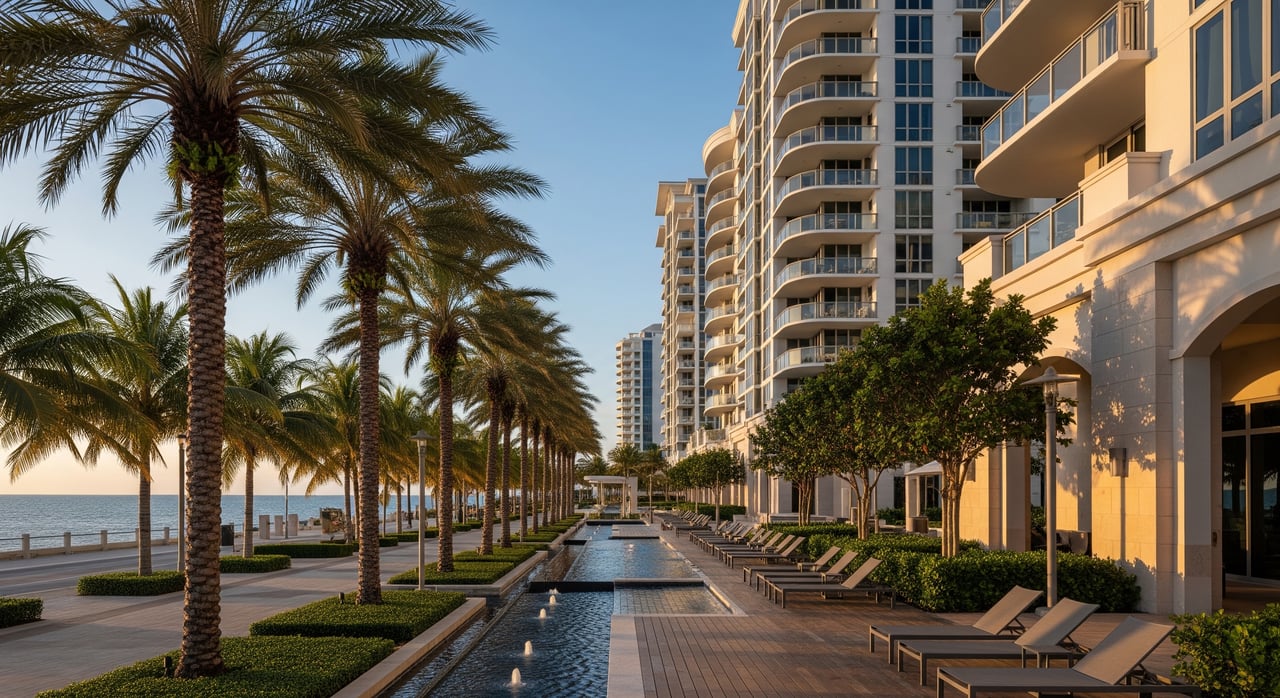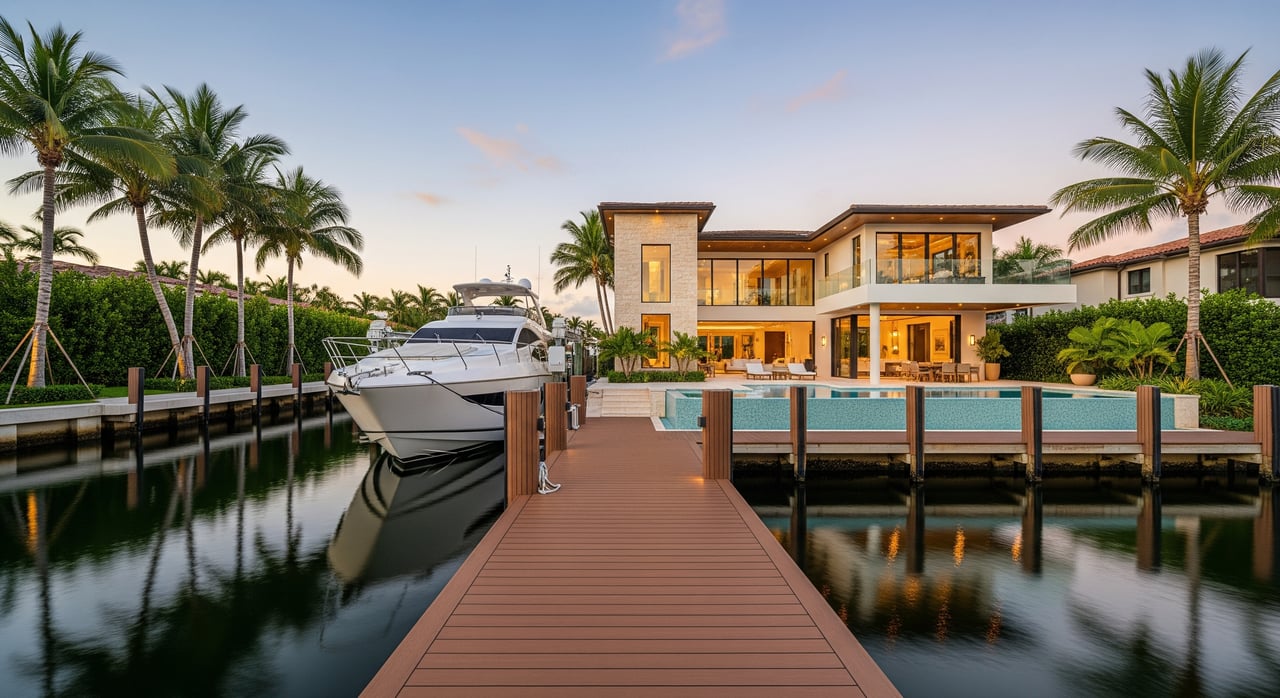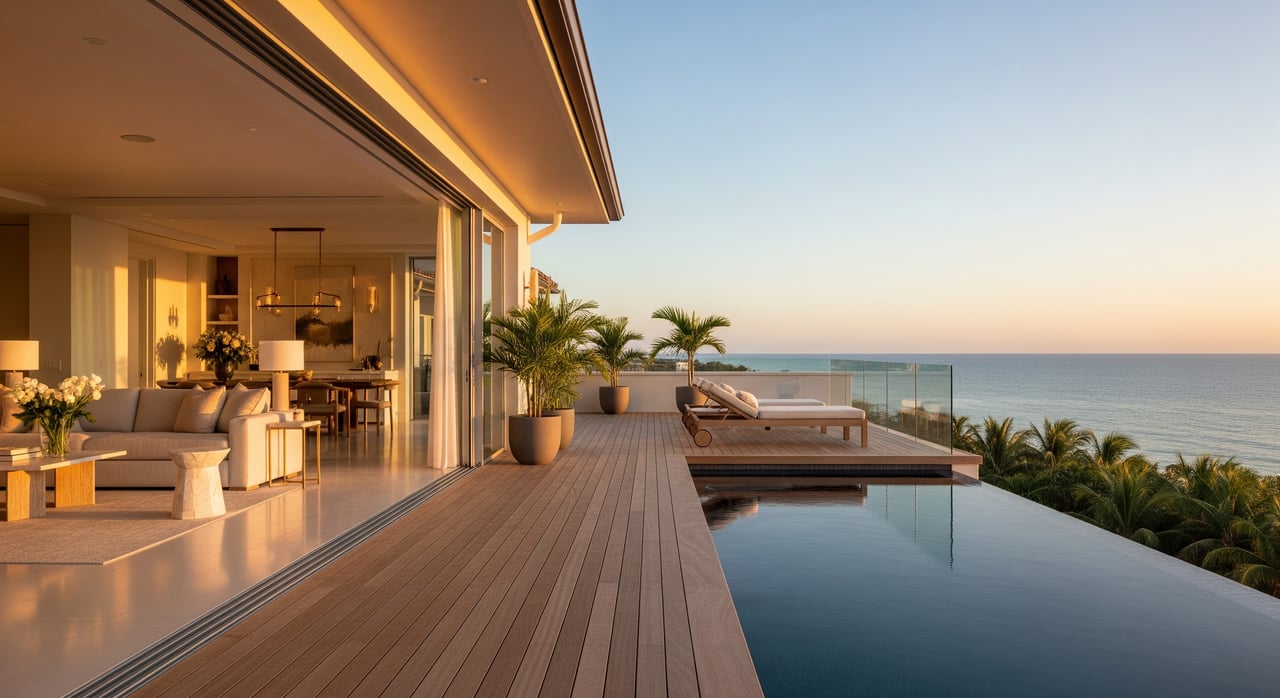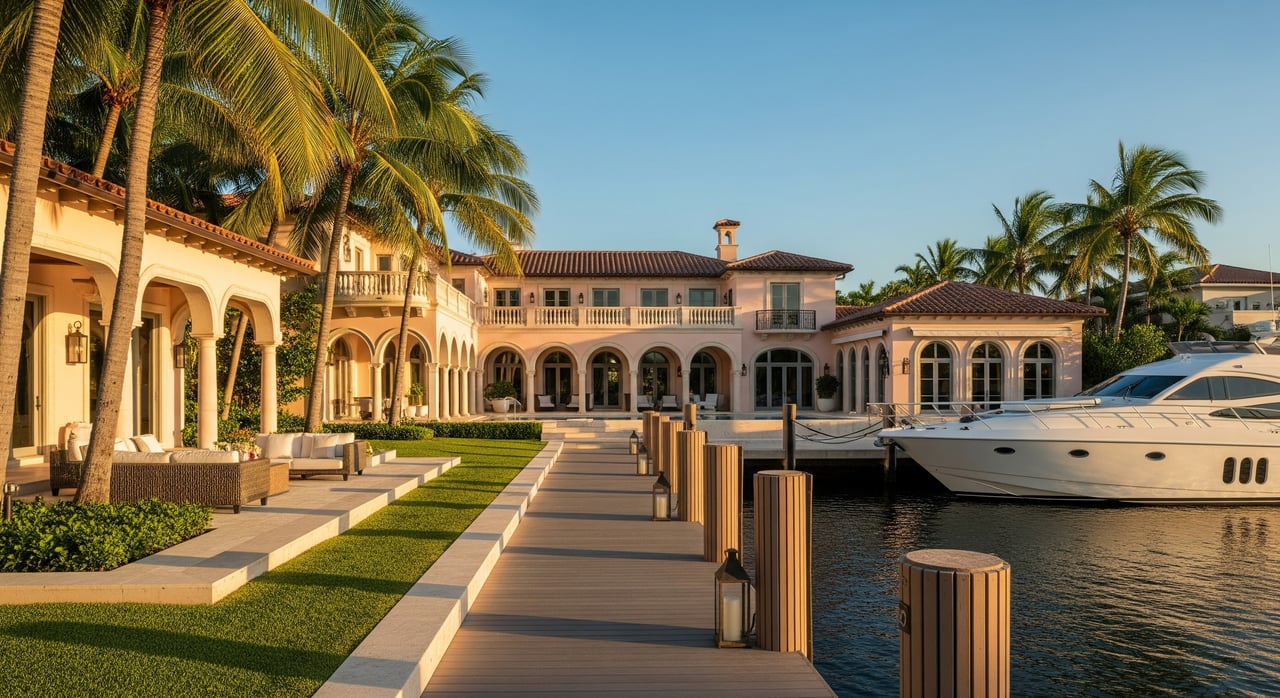
Imagine waking up to soft Atlantic light, checking the tide, and deciding whether today is for the ocean, the lagoon, or lunch by the dock. If you are considering Palm Beach, you are likely weighing more than a floor plan. You are thinking about club culture, marina access, beach entries, and how each neighborhood shapes your day. This guide breaks down what waterfront living really means on the island and the nearby shoreline, so you can choose the placement that fits your life. Let’s dive in.
What “waterfront” means here
Palm Beach sits on a barrier island with two very different waterfronts. On the east, oceanfront homes and condos face the Atlantic with direct beach access and sunrise views. On the west, properties front the Lake Worth Lagoon, part of the Intracoastal Waterway, with calm water, docks, and canal networks.
You will also find man-made yacht basins and canal systems that connect to the lagoon, plus access to the open ocean through the Lake Worth Inlet at the north end. Each setting influences your routines, from morning walks on the sand to quick trips by boat for dinner.
Bridges, inlets, and daily access
Because Palm Beach is an island, bridges and causeways frame your daily movements to the mainland. When you evaluate a property, note the nearest bridge and how long it takes to cross during peak season. For boaters, the inlet and channel locations matter. Tides, currents, and periodic dredging can affect navigation, especially for deeper-draft vessels.
You will also want to understand local infrastructure. Seawalls, stormwater pumps, and elevation standards vary by area and can influence maintenance plans and insurance. Reviewing FEMA flood maps, local coastal resilience plans, and elevation certificates is a smart step before you buy.
Private clubs and membership culture
Palm Beach is known for private clubs that shape the social calendar, especially in winter. While policies vary, you will generally encounter:
- Historic social clubs with dining and seasonal events
- Resort clubs that blend hotel amenities with member access to golf, spa, and beach clubs
- Yacht and boating clubs with racing, social calendars, and transient dockage options
- Country clubs with waterfront or lagoon-facing amenities
Typical benefits include private beach service, cabanas, members’ restaurants, tennis, fitness and spa facilities, plus boating programs that can connect you with slips or service providers. Memberships may be by application or invitation, with initiation fees, annual dues, and minimums. Some buyers ask whether a club membership can transfer with a property. Policies differ by club, and proximity to certain clubs may influence demand even if membership is not included.
If a club-centered lifestyle is important to you, confirm current membership timelines, costs, and guest policies. In peak season, many marquee events cluster on the island, and the right location can reduce your time in the car and increase your time with friends.
Marinas and boating access
Waterfront buyers often focus on how easy it is to get on the water. You will find a mix of:
- Municipal marinas that provide public transient slips and services subject to town rules
- Private marinas and boatyards with seasonal or annual slip leases and maintenance options
- Yacht basins within private developments that offer dockage to adjacent homes or condos
Not every waterfront home includes a deeded dock. If a property lists a slip, confirm ownership terms, the permitted length and draft, and any HOA or marina restrictions. Bridge clearance and tidal depths matter for sailboats and larger powerboats. Local ordinances may also limit long-term liveaboards.
Dredging schedules and seasonal demand can affect slip availability and navigation. It is common for marinas to manage waitlists, adjust transient rates in peak months, and coordinate fuel, pumpout, and repair services with nearby facilities.
Boater’s quick checklist
- Confirm dock rights, slip size, and draft at mean low water.
- Note closest inlet access and bridge clearances for your vessel type.
- Ask about seasonal slip demand and waitlists.
- Verify fuel, pumpout, and repair options nearby.
- Check insurance requirements tied to dock use.
Public beaches and shoreline access
The Town of Palm Beach maintains public beach areas with varying amenities by location. Parking rules and permits can change by season, and lifeguard hours may not be uniform across all access points. Some entries include restrooms, showers, and accessible pathways. Others are simple walkovers without services.
Local ordinances cover items like dogs on the beach, alcohol, commercial photography, and amplified sound. If you plan to host gatherings or bring guests often, these rules can affect your experience. During high season, capacity limits and parking can fill quickly. Knowing your nearest access and its amenities helps you plan morning swims and casual beach days.
Waterfront dining and your rhythm
Palm Beach offers a spectrum of waterfront dining, from refined hotel and club restaurants to relaxed marina-side cafés. Some concepts operate seasonally, and popular venues can book up in winter. If walkable dining is a priority, focus on properties near the island’s commercial corridors and marina clusters. If you prefer quiet evenings, consider calmer stretches of shoreline with easy driving access to restaurants on the mainland.
One of the biggest lifestyle wins is the ability to choose between an oceanfront breakfast, a lagoon-side lunch, or a sunset cocktail near the dock without planning a commute. Your location will either enhance that spontaneity or require more planning during peak months.
Primary home vs seasonal residence
Your use pattern should guide placement. Seasonal residents often prioritize proximity to clubs, quick access to marinas, and guest-friendly layouts. They may also look at local rules for short-term rental options if they plan to rent when away. Primary residents tend to value year-round services such as grocery, medical, and fitness access, consistent commute times over the bridges, and resilient infrastructure.
Either way, factor in ongoing care. Waterfront ownership may involve seawall maintenance, dock upkeep, landscape management, and storm preparation. A reliable property management plan can be the difference between an effortless arrival and a to-do list.
Cost, risk, and resilience
Waterfront real estate often carries higher insurance and maintenance costs. It is wise to:
- Review FEMA flood maps and obtain the property’s elevation certificate.
- Ask about the condition and ownership of seawalls and bulkheads.
- Check stormwater systems on or near the property.
- Look into historical flood or storm events in the immediate area.
- Gather ballpark insurance quotes from local brokers for both property and flood coverage.
Resilience planning is ongoing at both the town and county level. Understanding current building elevation standards and coastal construction codes helps you assess long-term value and potential renovation scope.
Neighborhood orientation on the island
While you will confirm exact boundaries during your search, it helps to think of the island in three simple zones:
- Central Palm Beach: This area often places you near shops, hotel clubs, and many dining options. Expect strong walkability and a busy social rhythm in season.
- North End: Quieter stretches and proximity to private club offerings are common. The lagoon side can feel sheltered, with easy access to calm water for paddleboarding or quick cruises.
- South End near the inlet: The area closer to the Lake Worth Inlet and municipal marina infrastructure appeals to boaters who value efficient ocean access.
Overlaying these zones with bridge locations, beach entries, and marinas gives you a clear picture of day-to-day flow. Your agent can help you visualize a 5 to 10 minute walking radius around homes you like and highlight public versus private access nearby.
How to choose your fit
Use this short process to narrow your options:
- Define your water: oceanfront for direct beach living, lagoonfront for dockage and boating.
- Map your movement: mark nearest bridge, marina, and beach entries, then test drive in peak hours.
- Clarify club priorities: list must-have amenities and verify membership timelines and costs.
- Confirm boat logistics: slip size, draft, bridge clearance, fuel and service options.
- Assess resilience: elevation certificate, seawall condition, flood zone, and insurance range.
- Try the rhythm: visit during high season and low season to feel traffic, reservations, and service levels.
Your advantage with a local team
Choosing the right waterfront setting is part science, part lifestyle. You want a team that can model commute times in season, pull elevation and flood data, confirm dock specs with marinas, and introduce you to clubs that match your priorities. You also want polished presentation and access to inventory that does not always hit the broader market.
If you are considering Palm Beach or nearby waterfront corridors, we can help you compare neighborhoods, club options, marina logistics, and long-term resilience so your new home fits the way you live. Ready to walk the island and dial in your shortlist? Connect with The CBG Luxury Team for a confidential, concierge-level consultation.
FAQs
What does oceanfront vs Intracoastal living mean in Palm Beach?
- Oceanfront offers direct Atlantic beach access and surf, while Intracoastal living faces the calmer Lake Worth Lagoon with potential docks and easier boating.
How hard is it to get a marina slip in peak season?
- Seasonal demand rises significantly in winter, so expect waitlists at many marinas and plan early for transient or seasonal dockage.
Do Palm Beach homes come with private club memberships?
- Most properties do not include club membership; access is typically by application or invitation with separate initiation fees and dues.
What should boaters know about bridges and the Lake Worth Inlet?
- Bridge clearances, tides, and currents influence vessel size and timing, and the Lake Worth Inlet is the primary ocean access point to consider.
What rules affect public beach days on the island?
- Parking permits, lifeguard hours, and local ordinances on dogs and alcohol vary by location and season, so check specific access points before you go.
How do flood zones and elevation impact buying decisions?
- Flood zone, elevation certificate, seawall condition, and insurance options directly affect risk, cost, and long-term resilience for waterfront homes.